
Create an image from a prompt
Start from a written scene when you need a new composition. Name the subject, setting, light and style before adding small details.


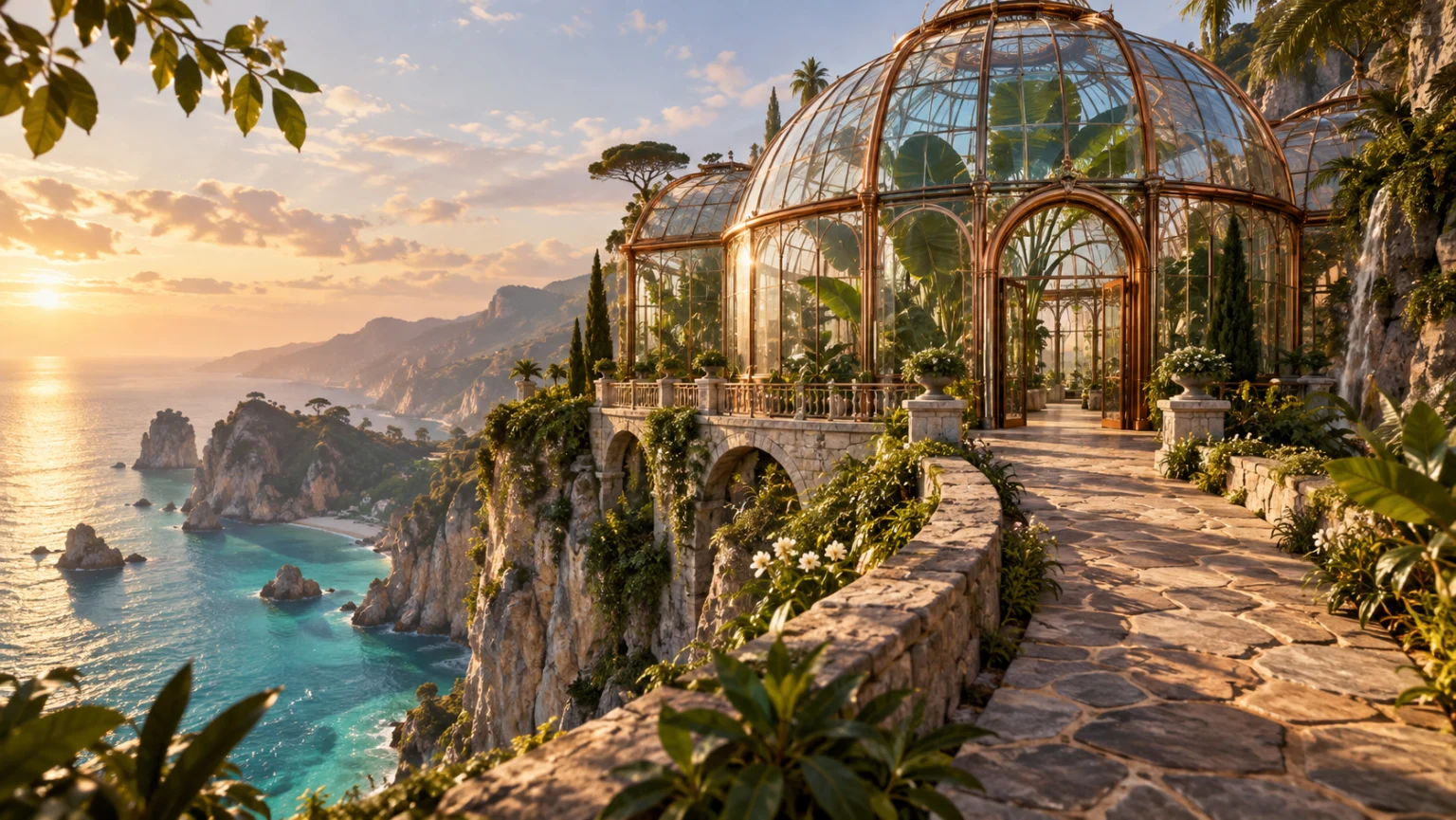
Describe your subject, choose the image settings, and create a first direction. Use a reference when there is already something you want to keep.
An AI image generator is a starting point for portraits, product visuals and artwork. Choose a model in the panel above, then pick a workflow based on whether you already have an image.
Start from a written scene when you need a new composition. Name the subject, setting, light and style before adding small details.
Upload a reference when you want a different background, material or visual style. Say what to keep as well as what to change.
Make the subject, setting and intended use specific. These directions show how a clear brief changes the kind of image you explore.
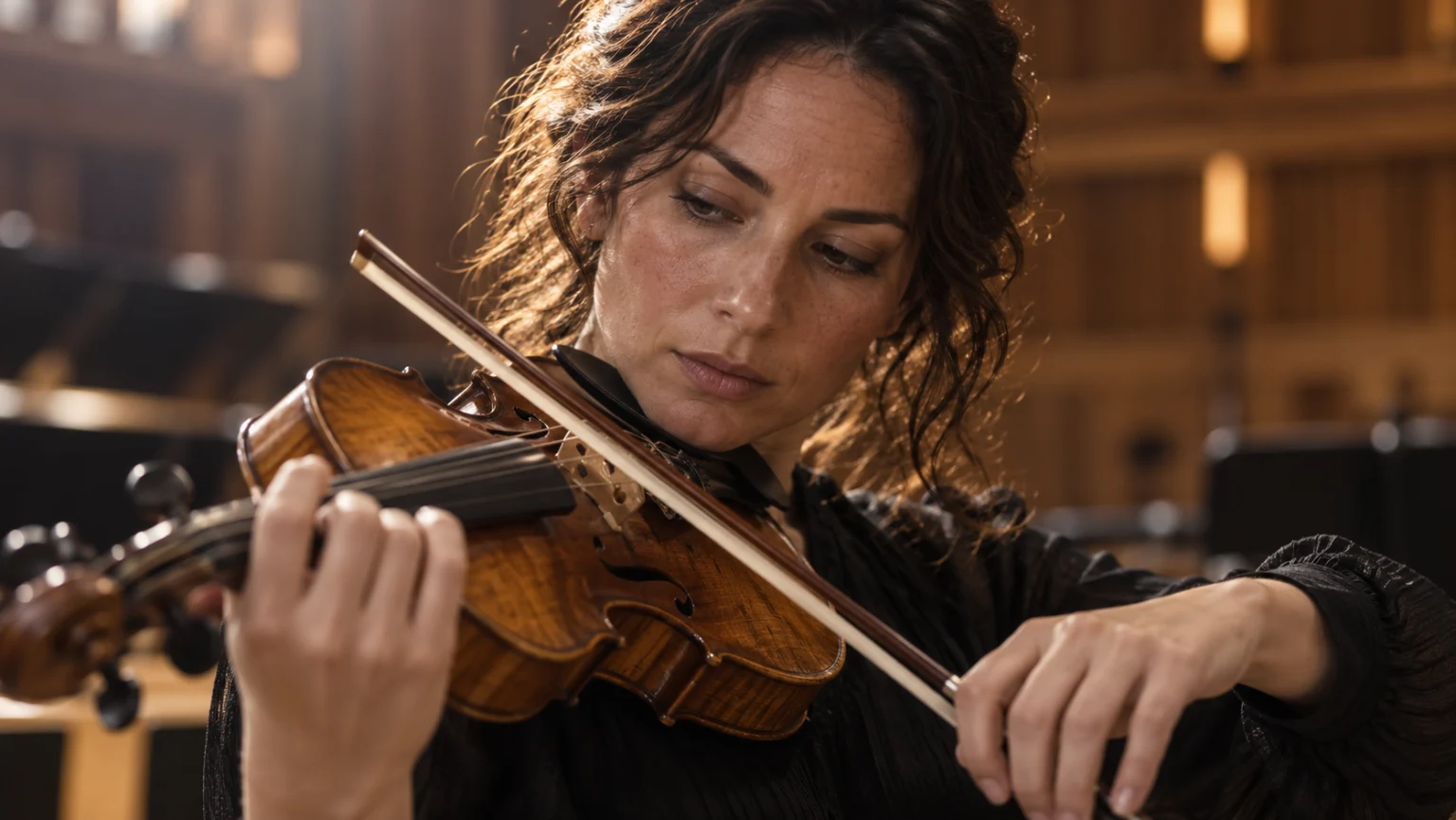
Direct the expression, light and framing for a portrait with character.
Build a visual hierarchy around a short headline. Check the words before publishing.

Give the material, silhouette and lighting a role in the campaign.

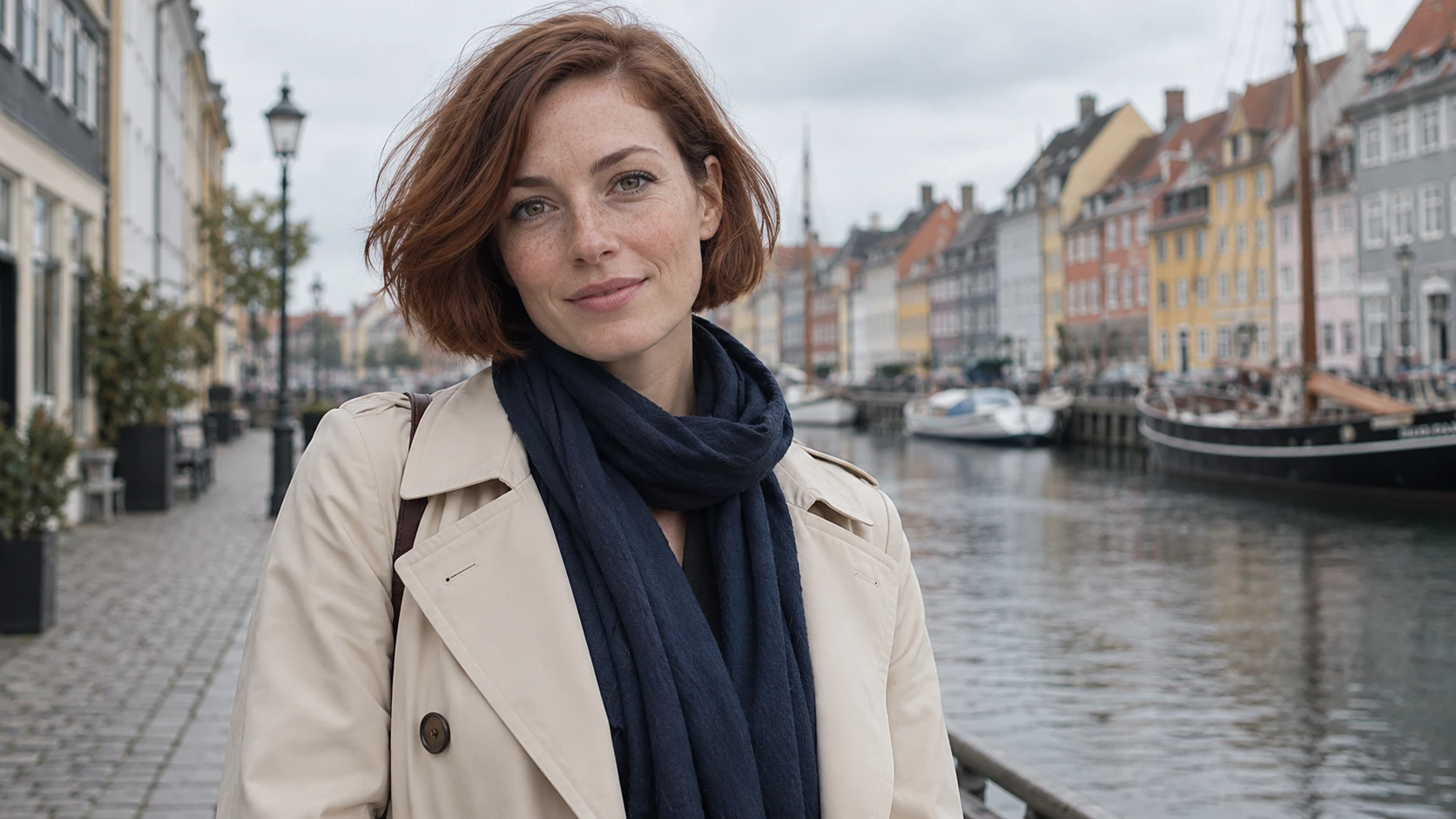
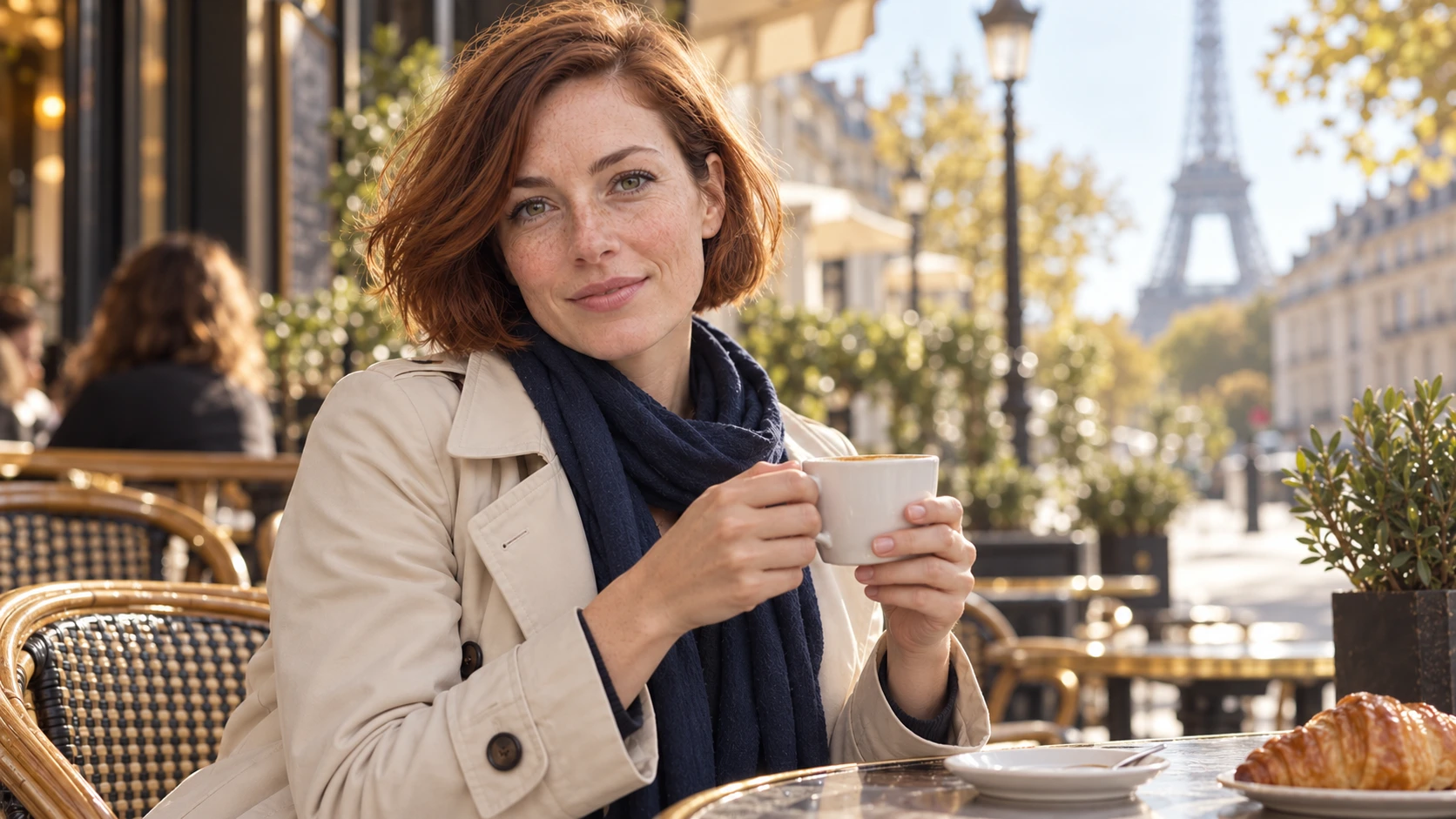
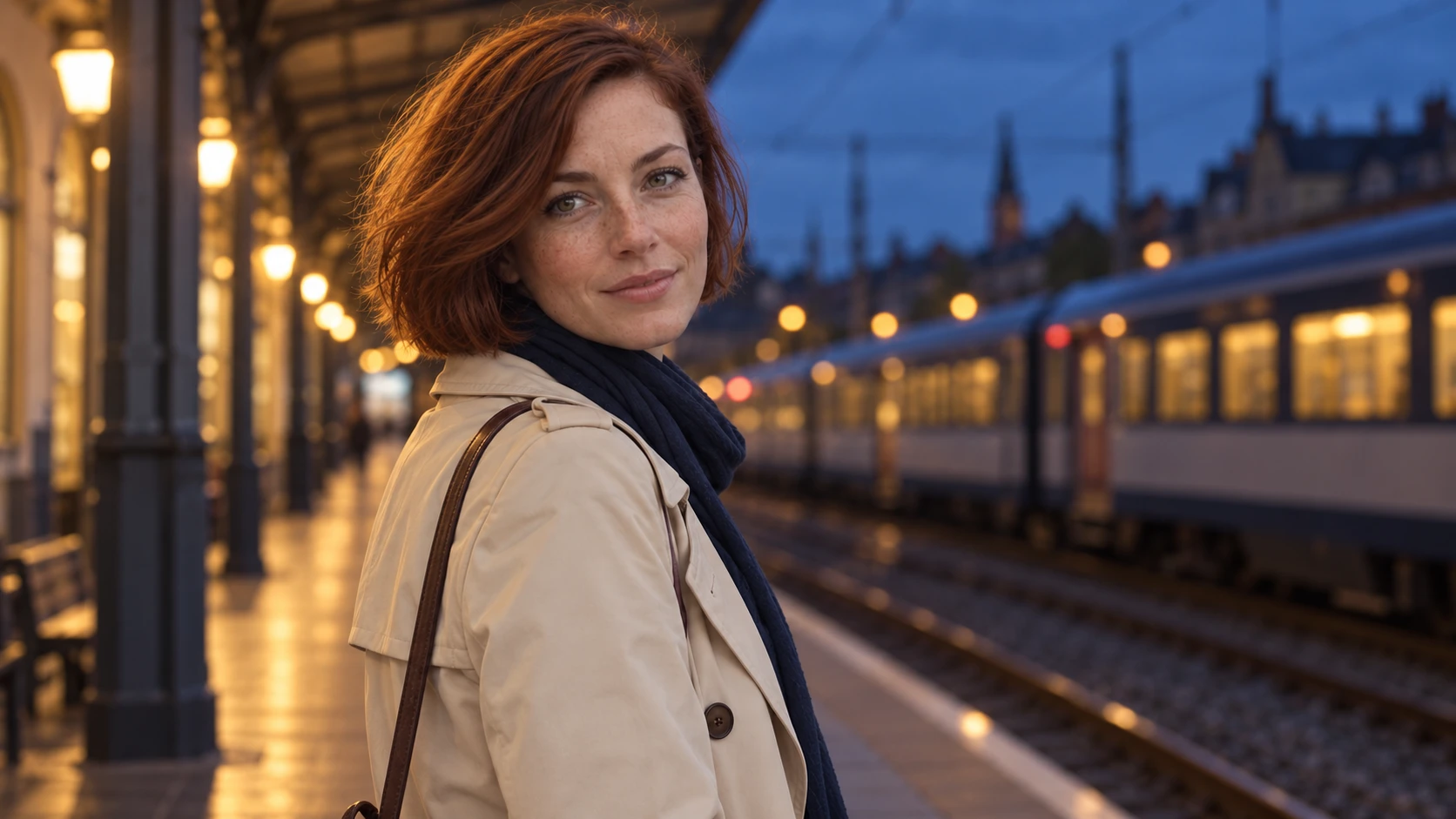
Compare the same auburn-haired woman beside a canal, at a sunny café and on a train platform at dusk. Her freckles, short bob, ivory coat and navy scarf remain the reference details; compare each new scene for consistency.
Compare a wide view of the pianist and studio with a closer frame. The subject and light remain the anchor while the image’s emphasis changes. Specify camera distance and what should stay visible.
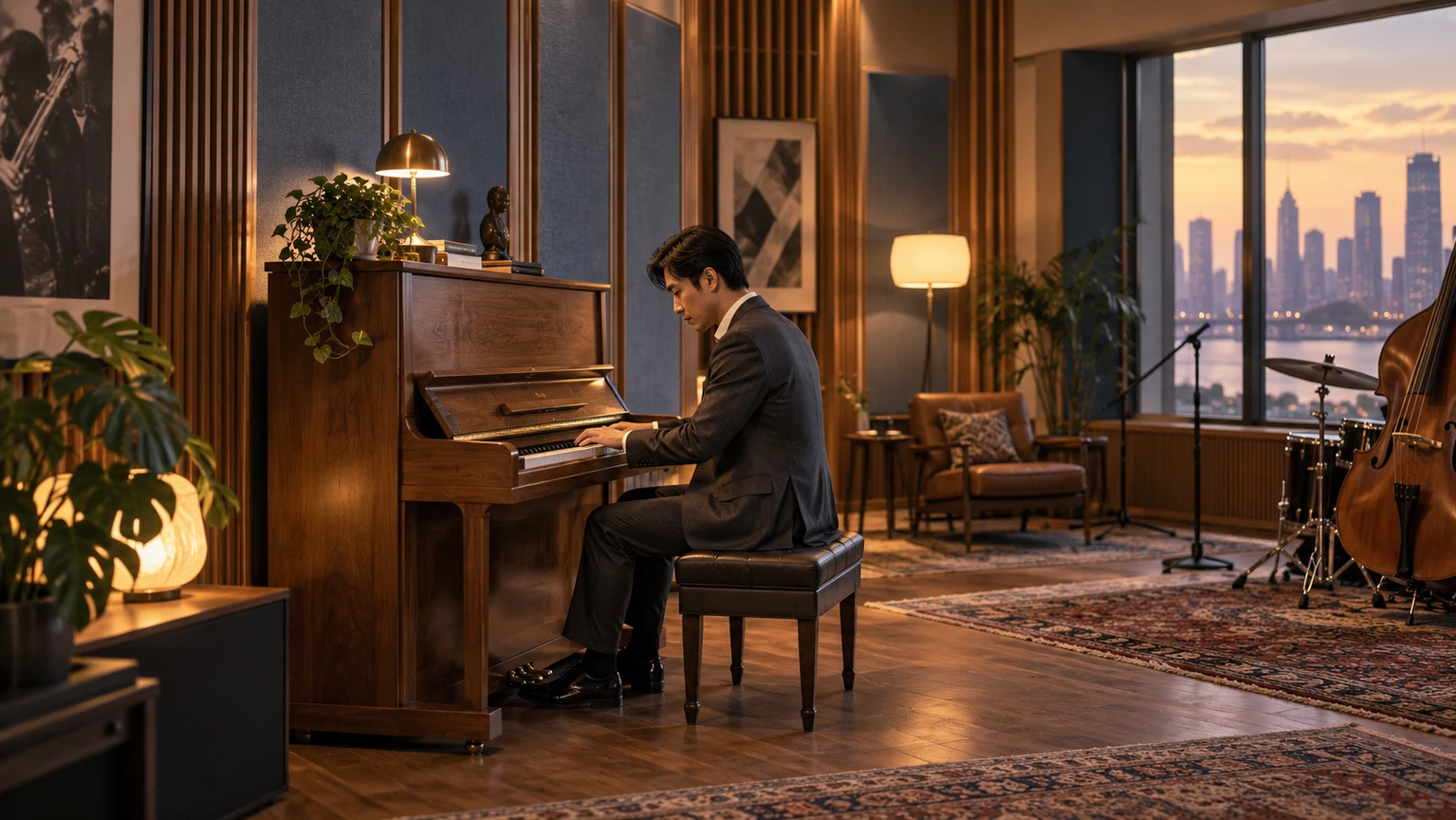
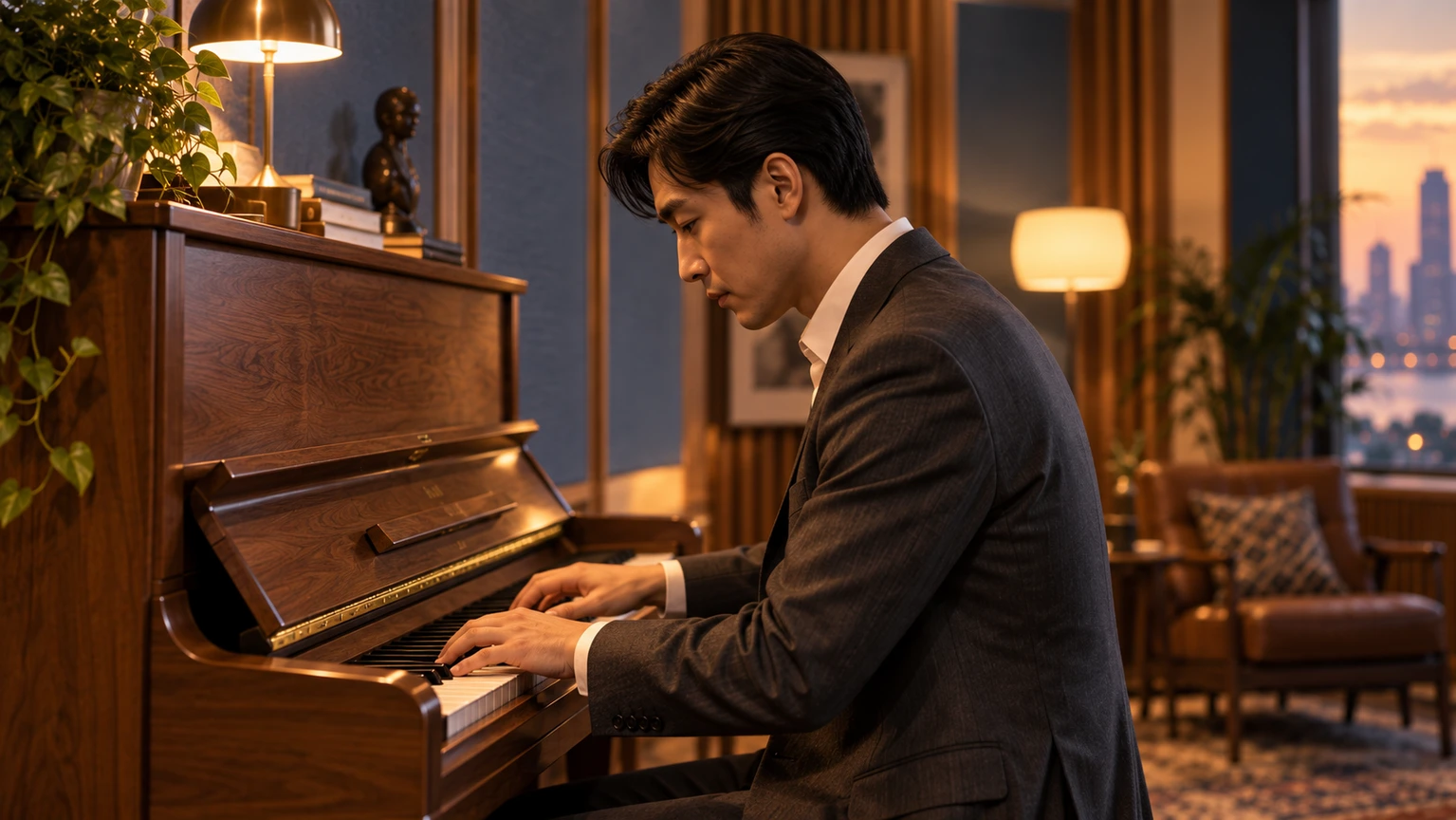 OriginalCloser framing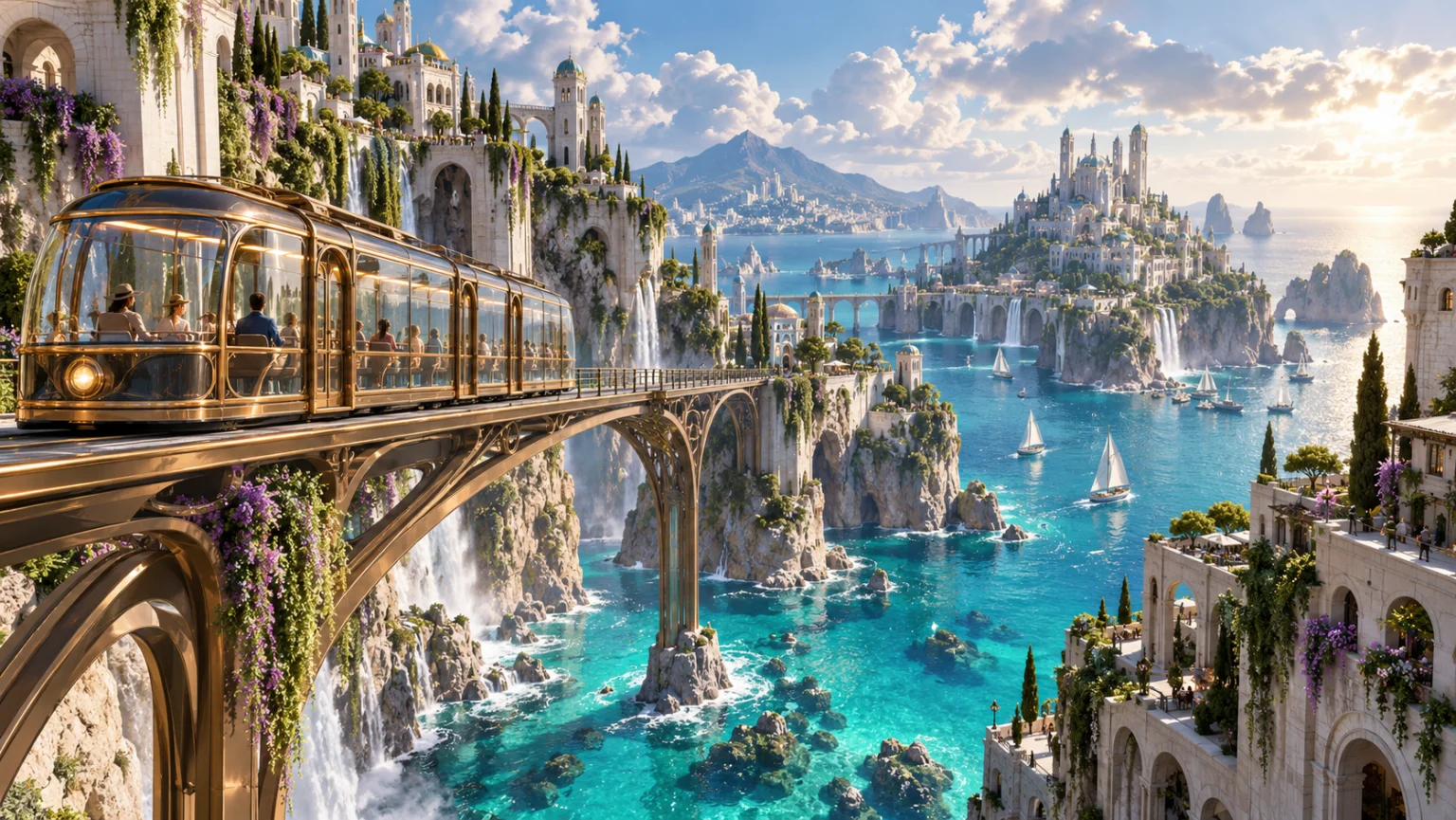
A glass railway winds through a bright coastal city on limestone cliffs.

Amber perfume on dark stone with sculptural orange light and clean negative space.

An adult woman in an amber blazer at a sunset terrace overlooking the sea.
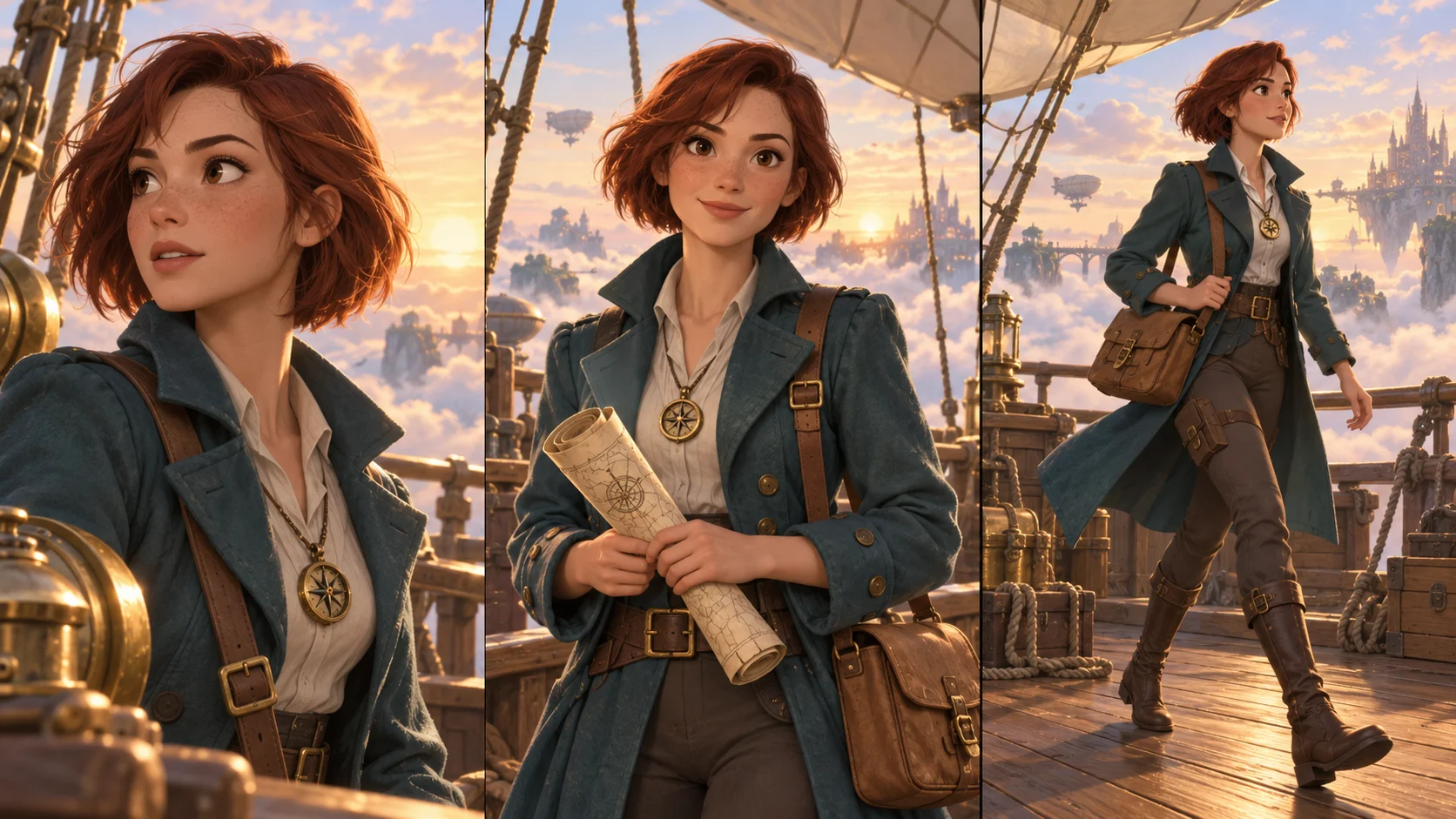
Three illustrated views of a red-haired explorer in a teal coat aboard an airship.
Say what belongs in the frame and whether the image is for a portrait, product page, poster or scene study.
Choose what the image must communicate, then add only the visual details that support it.
For a new picture, name the subject, setting and intended use. A product listing needs a readable silhouette; a poster may need space for a headline.
When you like the subject but want different light, materials or surroundings, open image-to-image. Name one change and the details that should remain.
Use image-to-prompt to describe an unfamiliar visual style. Review the visible subject, composition and lighting before adapting the words to your own idea.
Use your plan credits for images and videos. Review the selected tool, settings and credit quote before each generation.
$9.99/ month
800 credits / month
Credits renew monthly and expire at the end of the billing period.
View plan$24.99/ month
2,500 credits / month
Credits renew monthly and expire at the end of the billing period.
View plan$59.99/ month
6,200 credits / month
Credits renew monthly and expire at the end of the billing period.
View planUse text-to-image for a new scene, image-to-image for a specific reference edit, image-to-prompt for a visual description, and PNG maker for a subject cutout. The tool links on this page take you to each workflow.
A subject, a setting and one clear purpose are enough to begin.
Create an image