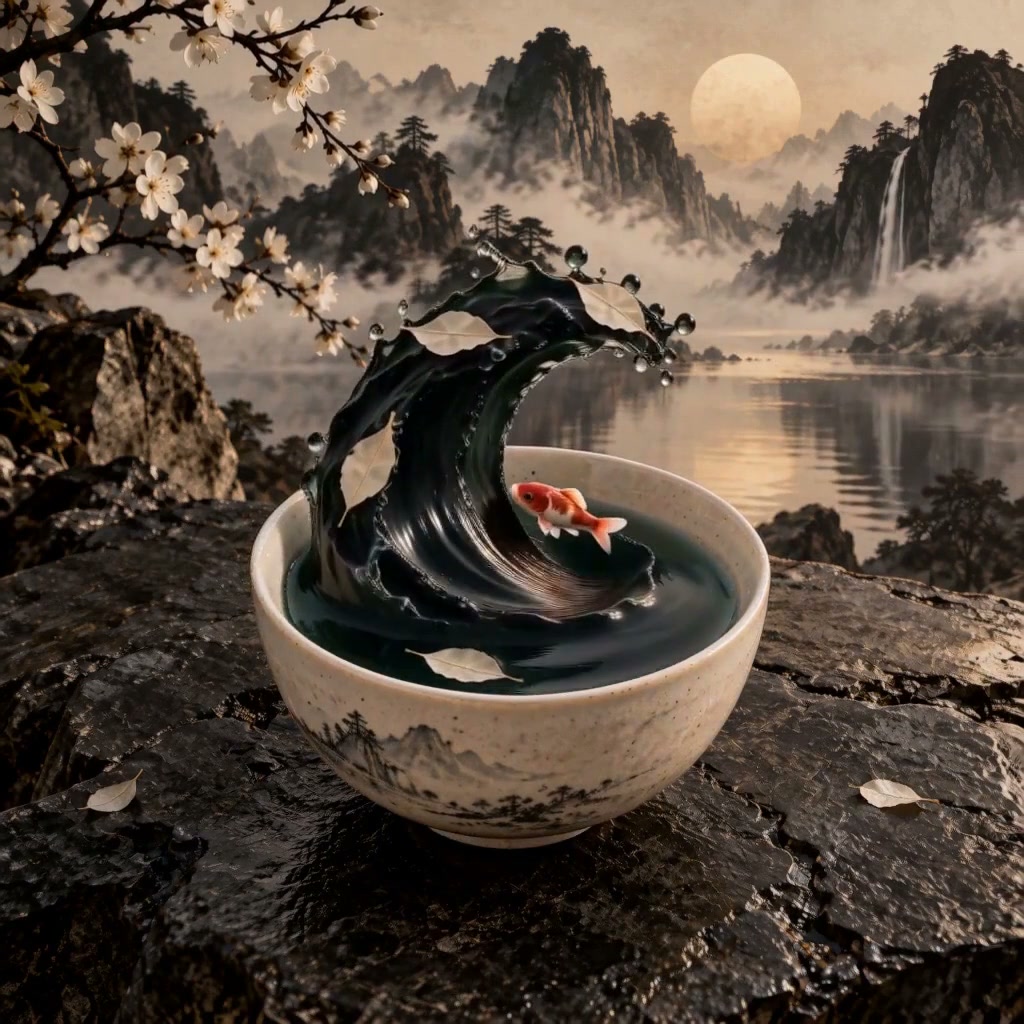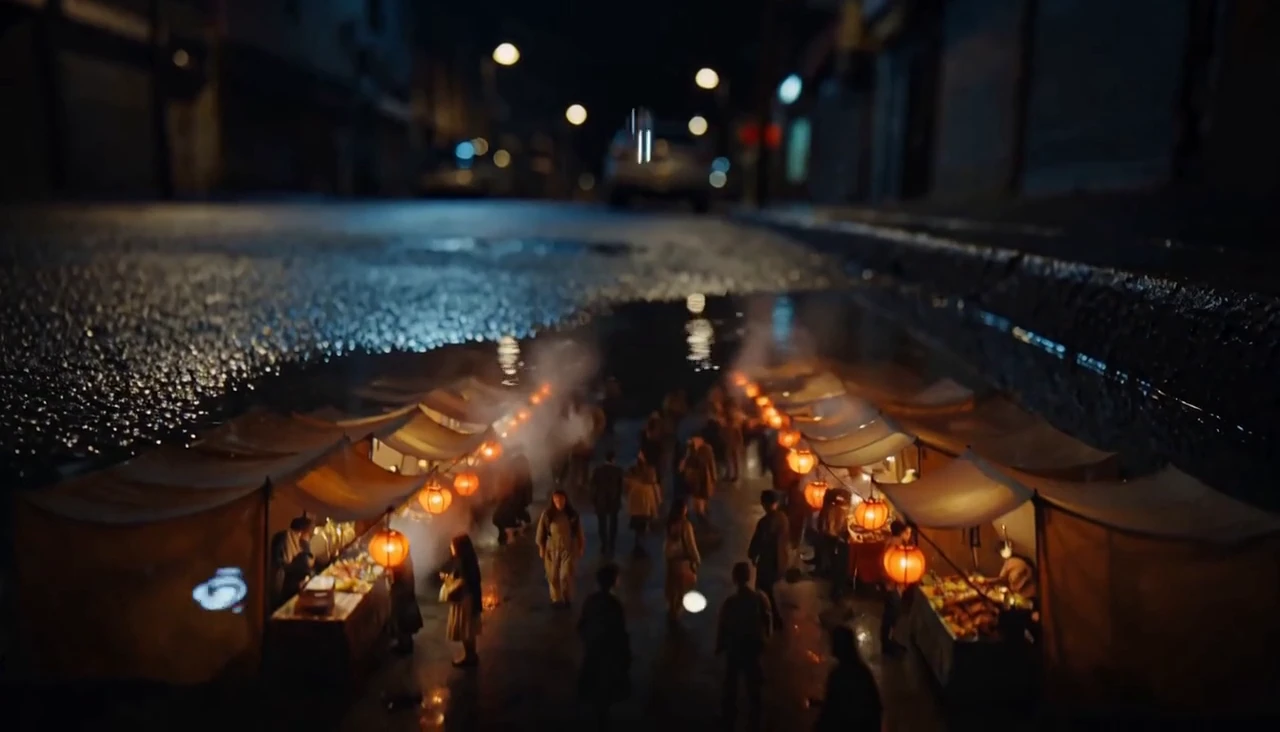
Start from a specific product or photo
If a particular design, face or composition matters, upload its image to image to video. Text alone gives the model more room to invent details.


Describe a subject, an action and a camera move. Build a focused video request from the story you want to show.
Text to video AI is useful when you do not have an opening image. Write the scene in the order a viewer will see it: who is there, what happens, how the camera moves and how the shot ends.
If a particular design, face or composition matters, upload its image to image to video. Text alone gives the model more room to invent details.
For a scene informed by several views or a visual style, use a model with reference support. Check the image roles available before uploading.
Try miniature scenes, character comedy or a large cinematic reveal. The writing should give each shot something specific to do.

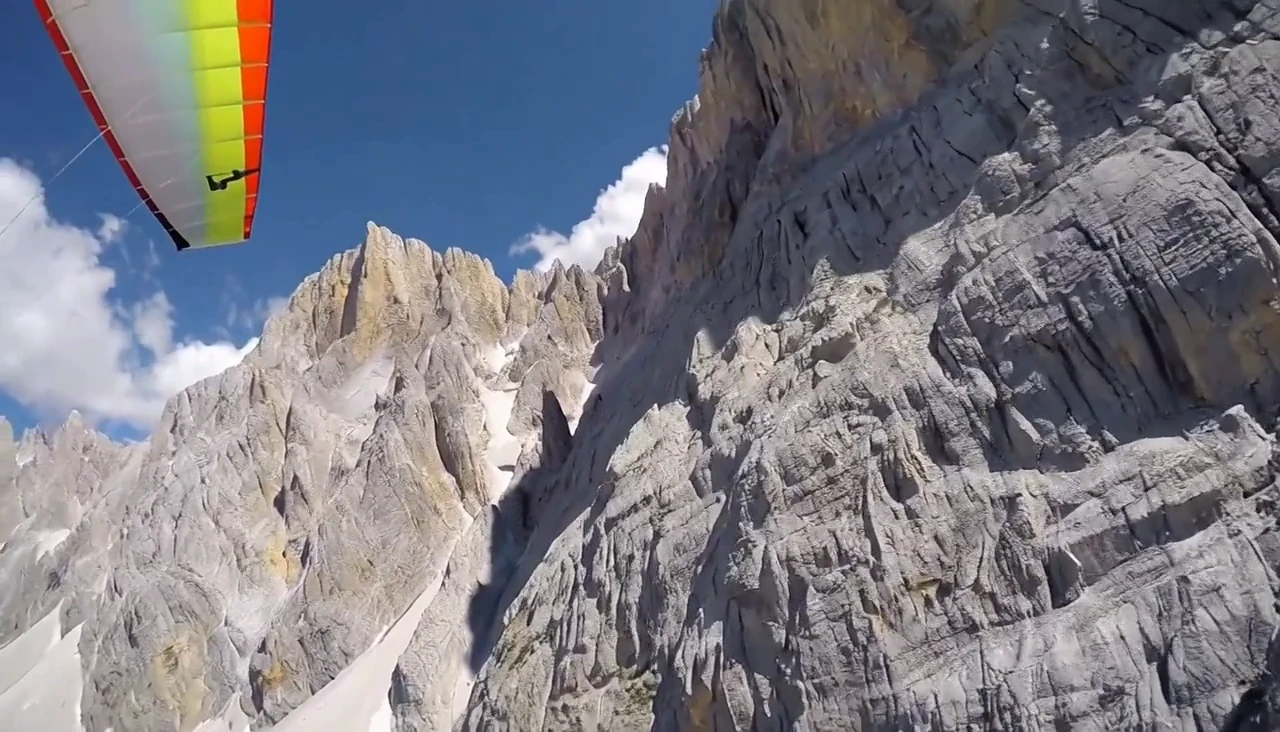
A point-of-view glide through an alpine valley gives the scene a destination. State where the camera starts, how it moves and what the viewer should discover.
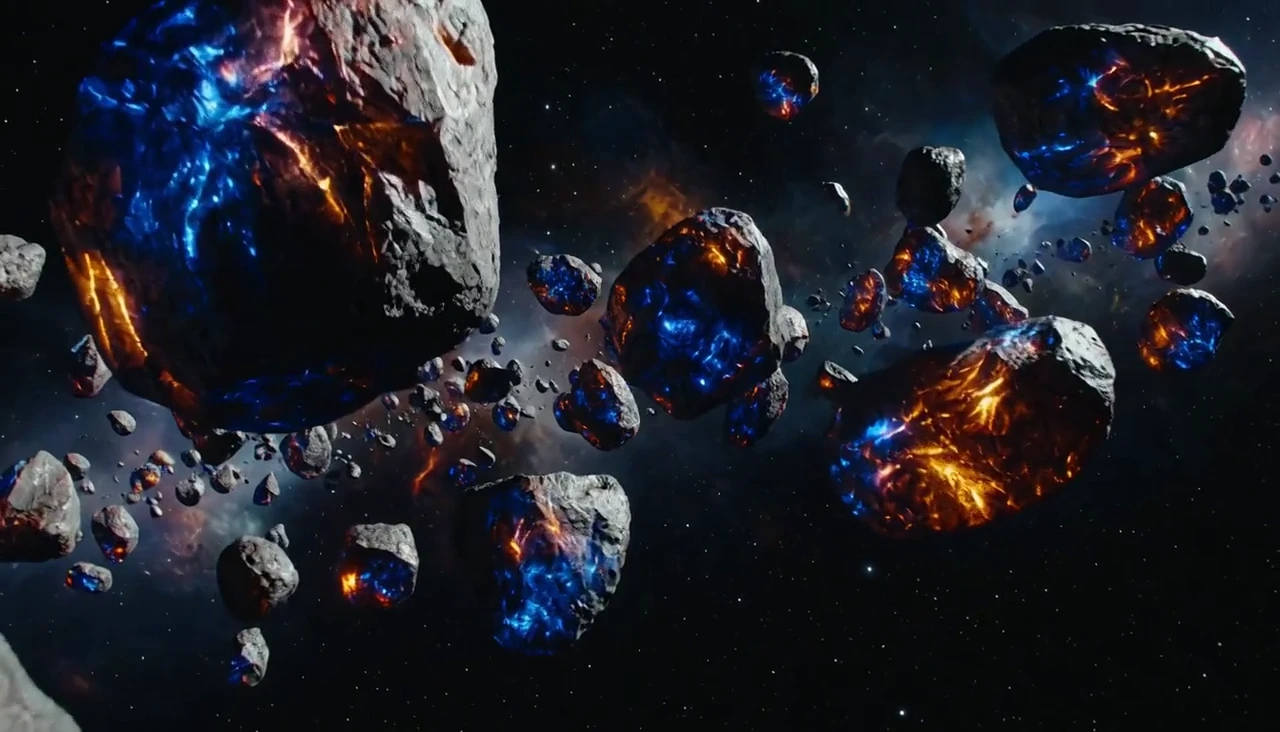
Glowing cracks, dark rock and distant space tell the model more than a broad style word. Use a few connected visual details to shape the result.
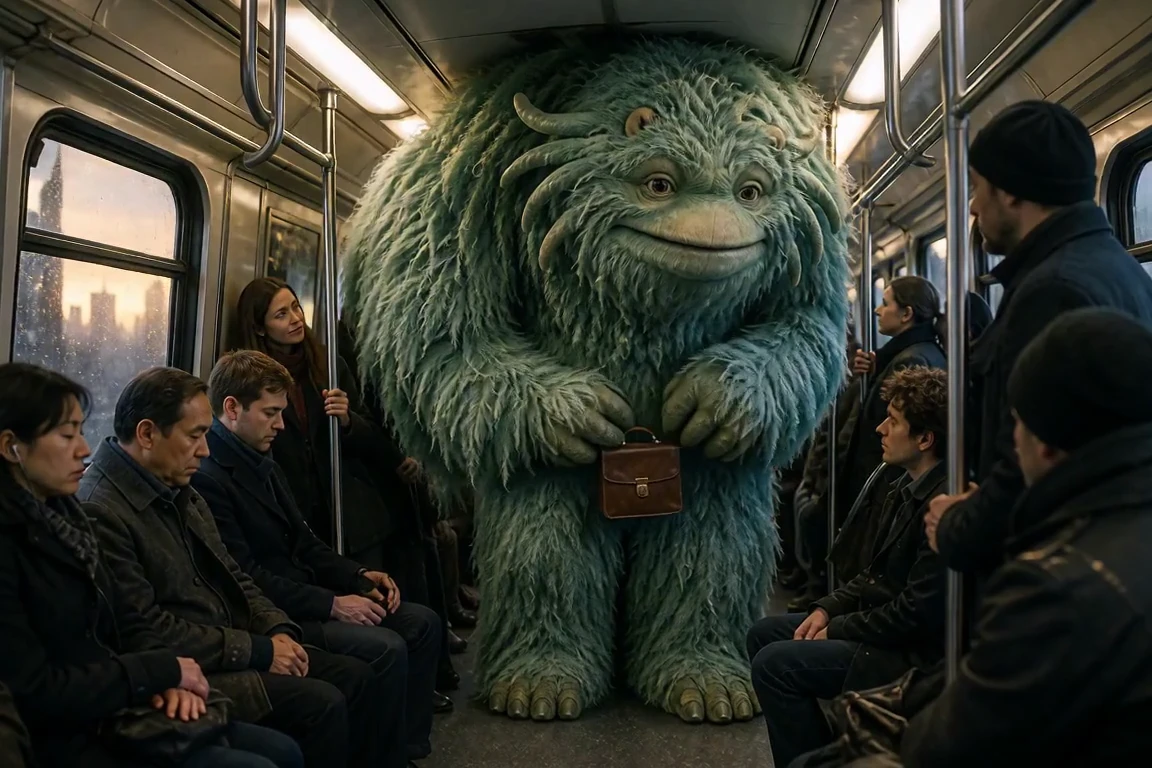
A fantastical commuter can feel at home in an ordinary train. Describe the posture, expression and response you want the viewer to notice.
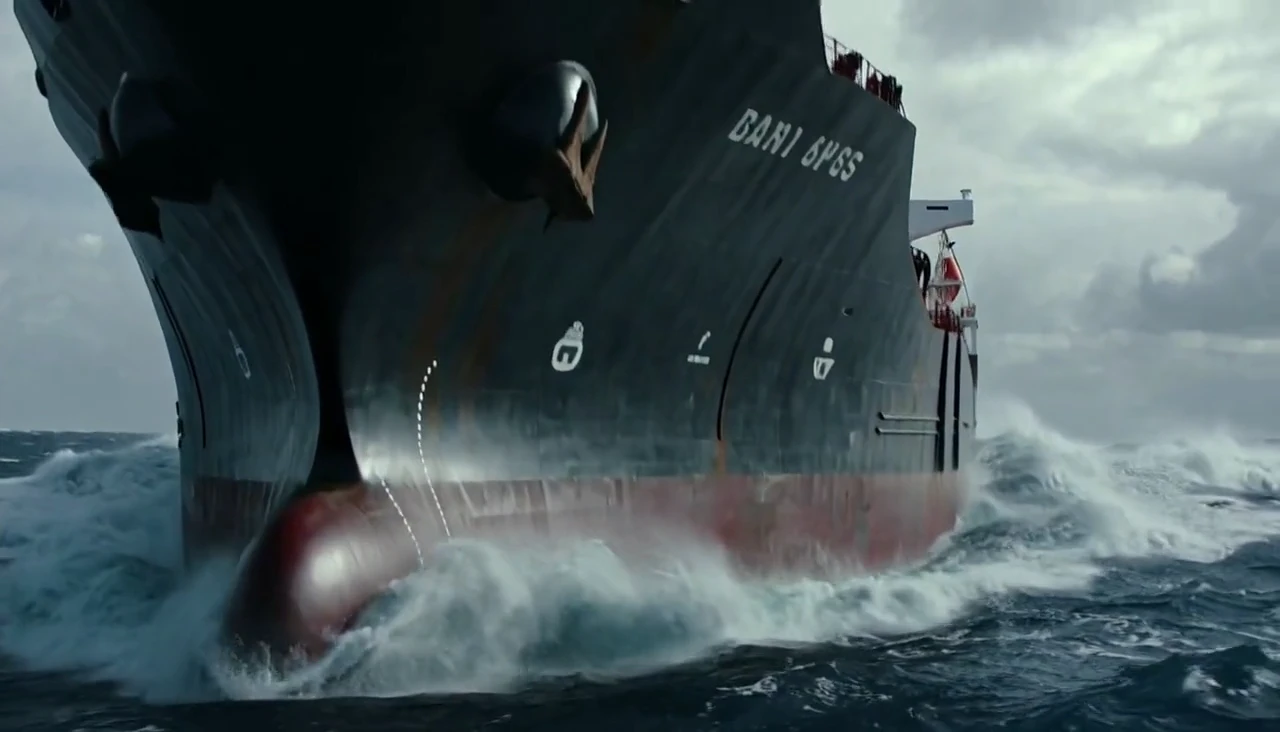
Connect the movement to its environment. Describe a ship rising through waves, the scale of the water and the camera distance that keeps the action understandable.
Write a connected shot instead of a list of unrelated effects. Establish the scene, name its visible event and decide what the final frame should reveal. Edit the example below into your own request.
Use one main event for a short clip. Plan essential cuts or location changes as separate shots, then edit the selected results.
Choose from the video models available in the generator. Input modes, duration and output settings vary by model.
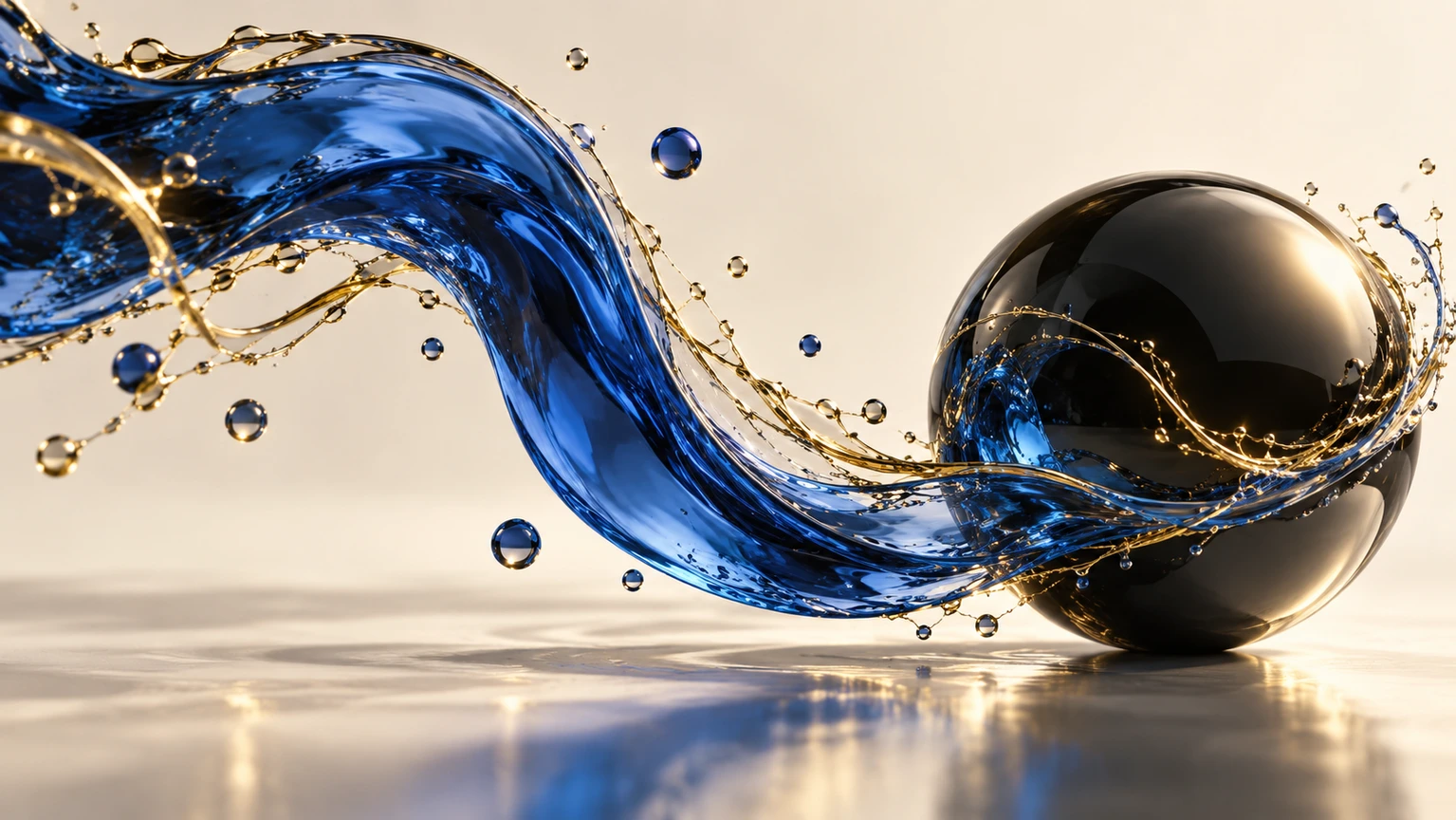
Give a sculptural product scene a clear material event, with blue and gold liquid circling a dark glass sphere.

Tie the movement to the product. A liquid arc, rolling ingredient or material reveal gives a short shot a purpose.
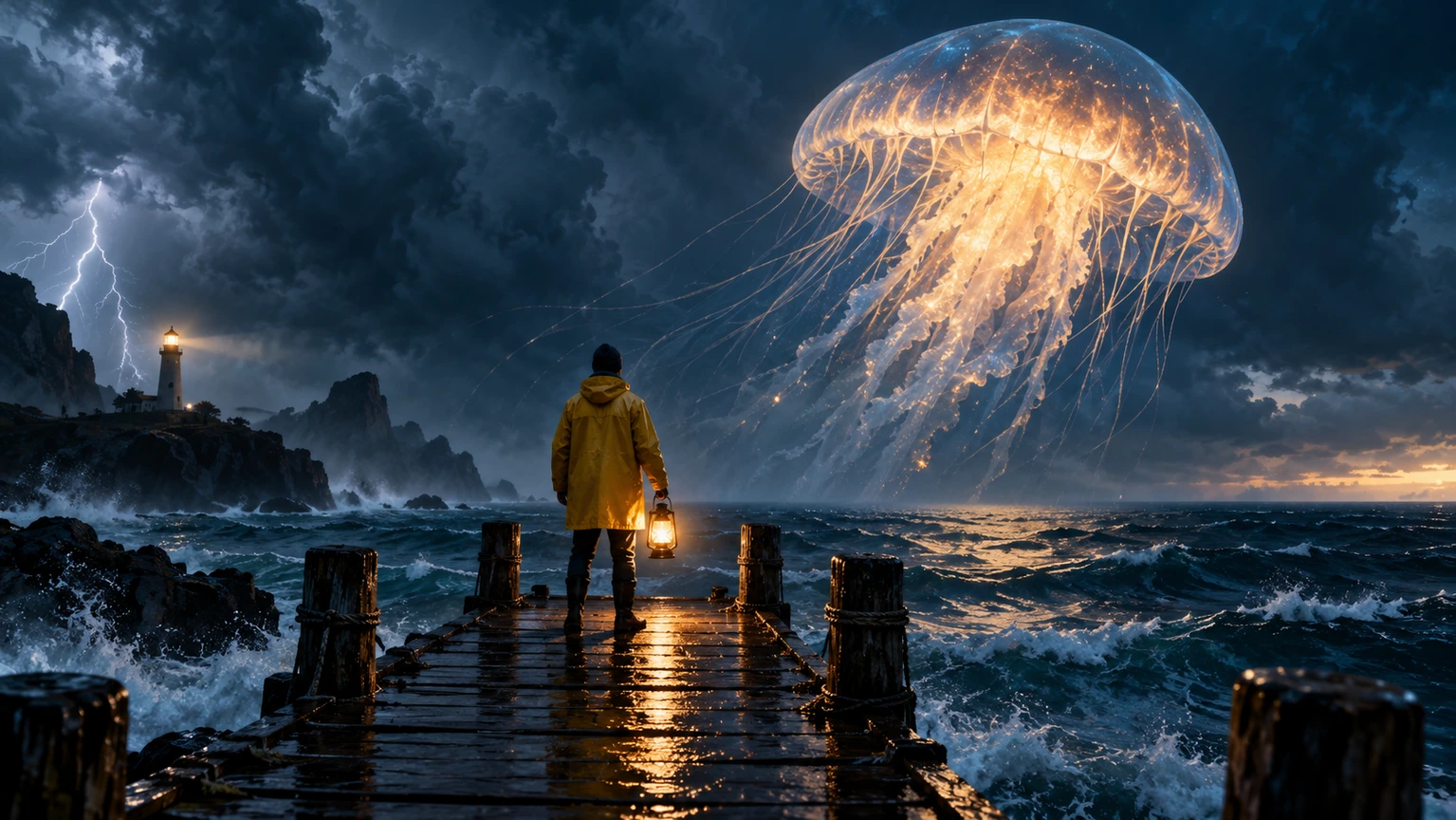
Describe a place, an event and the camera that reveals it.
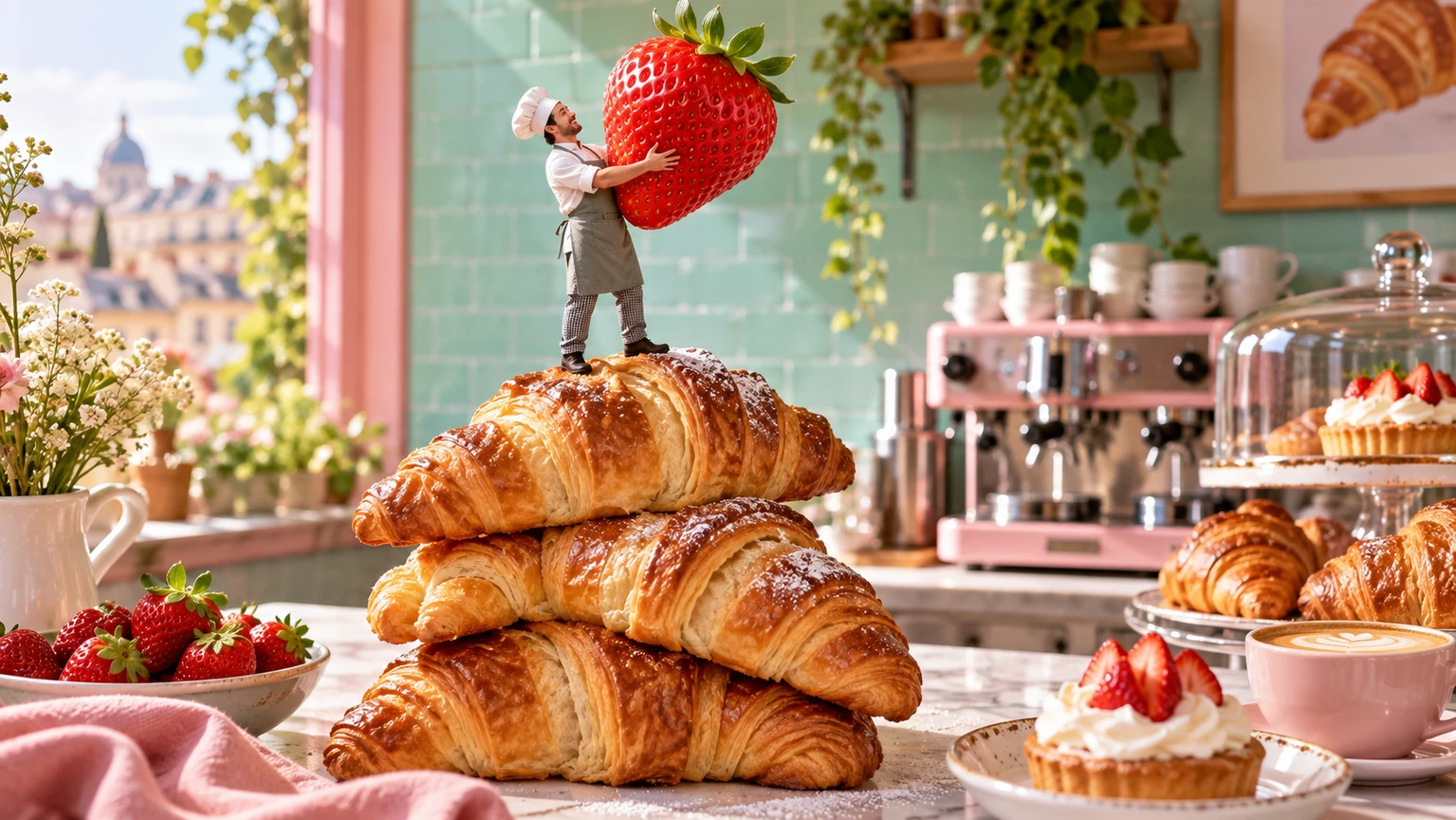
A tiny baker and an oversized strawberry create a simple visual idea with an immediate action to direct.
Move between the available image and video tools as your project develops.
Name the subject, location, framing and visual style. Put the essential idea before decorative details.
Explain what moves, what changes and where the camera goes. Keep the action achievable within the selected duration.
Check timing, direction and the main reveal. Refine one instruction at a time instead of changing the entire scene.
Choose whether your next scene starts with words, an opening image or visual references.
Use your plan credits for images and videos. Review the selected tool, settings and credit quote before each generation.
$9.99/ month
800 credits / month
Credits renew monthly and expire at the end of the billing period.
View plan$24.99/ month
2,500 credits / month
Credits renew monthly and expire at the end of the billing period.
View plan$59.99/ month
6,200 credits / month
Credits renew monthly and expire at the end of the billing period.
View planInclude the subject and setting, a concrete action, camera framing and the look of the scene. Add the important change or reveal so the model has a clear event to interpret.
Write the subject, the event and the camera. Start with one shot you can clearly describe.
Start creating